Manufacturer: Airbus

Aircraft: every Airbus, wingtip to wingtip.

Fifteen jets, one wall. Every silhouette below is drawn to the same scale — line them up and you can see exactly how much bigger an A380 is than an A220.

A220

Airbus · A220

A220-100
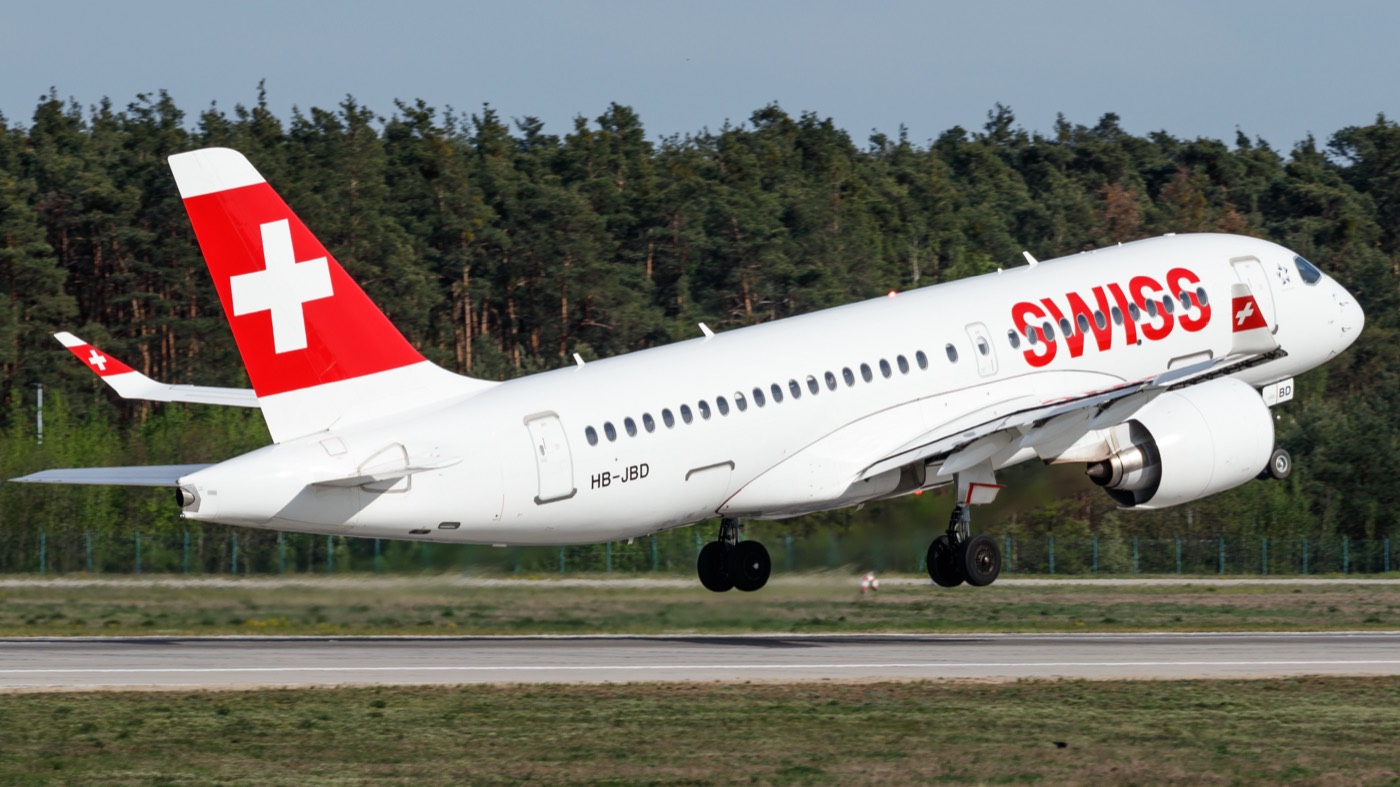
Wingspan

35.1 m

Length

35 m

Seats

100–135

Range

3,450 nm

Started life as the Bombardier CSeries — the smallest jet in the lineup, built for thin routes.

First flew in 2013

Airbus · A220

A220-300
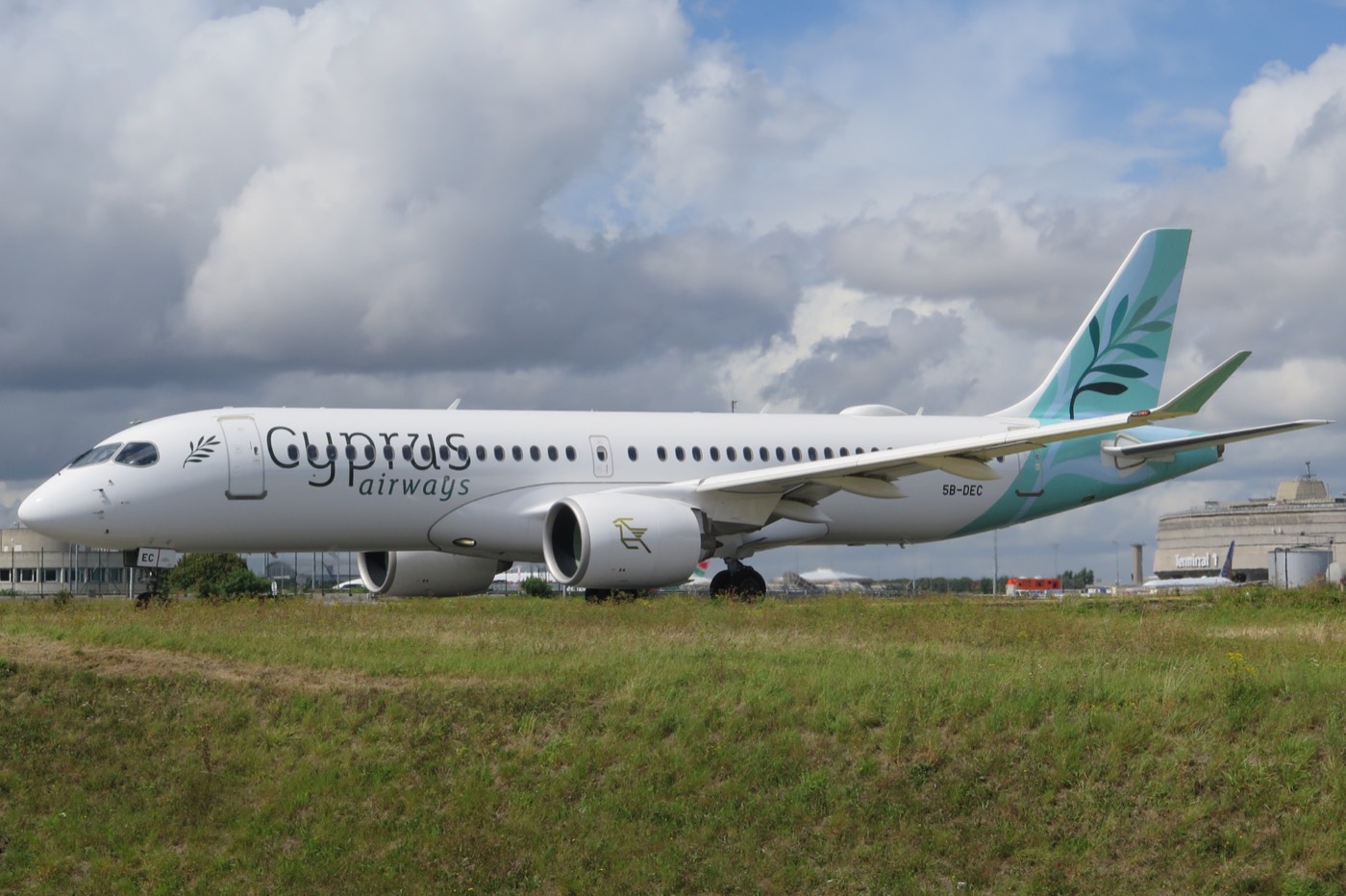
Wingspan

35.1 m

Length

38.7 m

Seats

120–160

Range

3,600 nm

A stretched A220-100 with room for more seats and a bit more range.

First flew in 2015
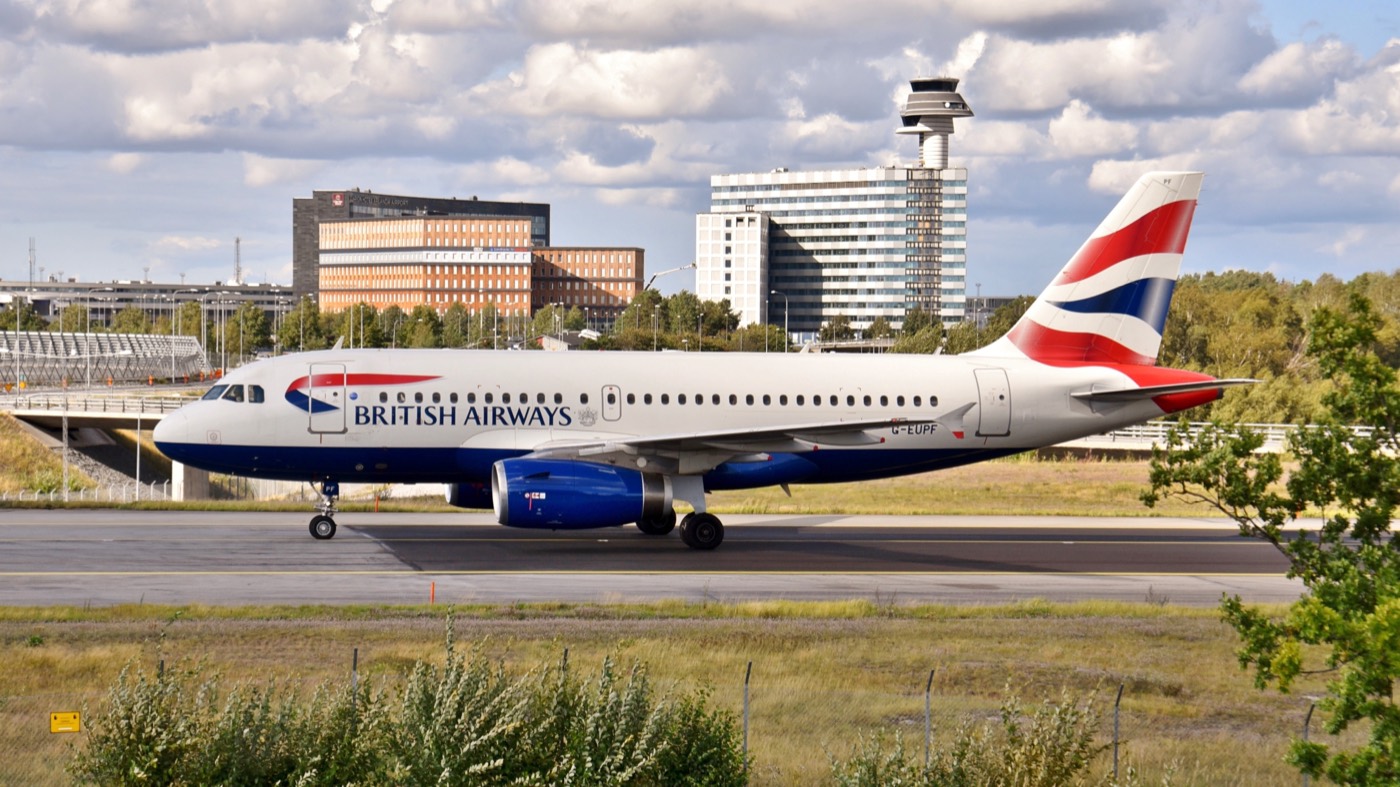
A320 Family

Airbus · A320 Family

A319

Wingspan

34.1 m

Length

33.8 m

Seats

124–156

Range

3,600 nm

The shortest of the classic A320 family — a favorite for shorter, thinner routes.

First flew in 1995

Airbus · A320 Family

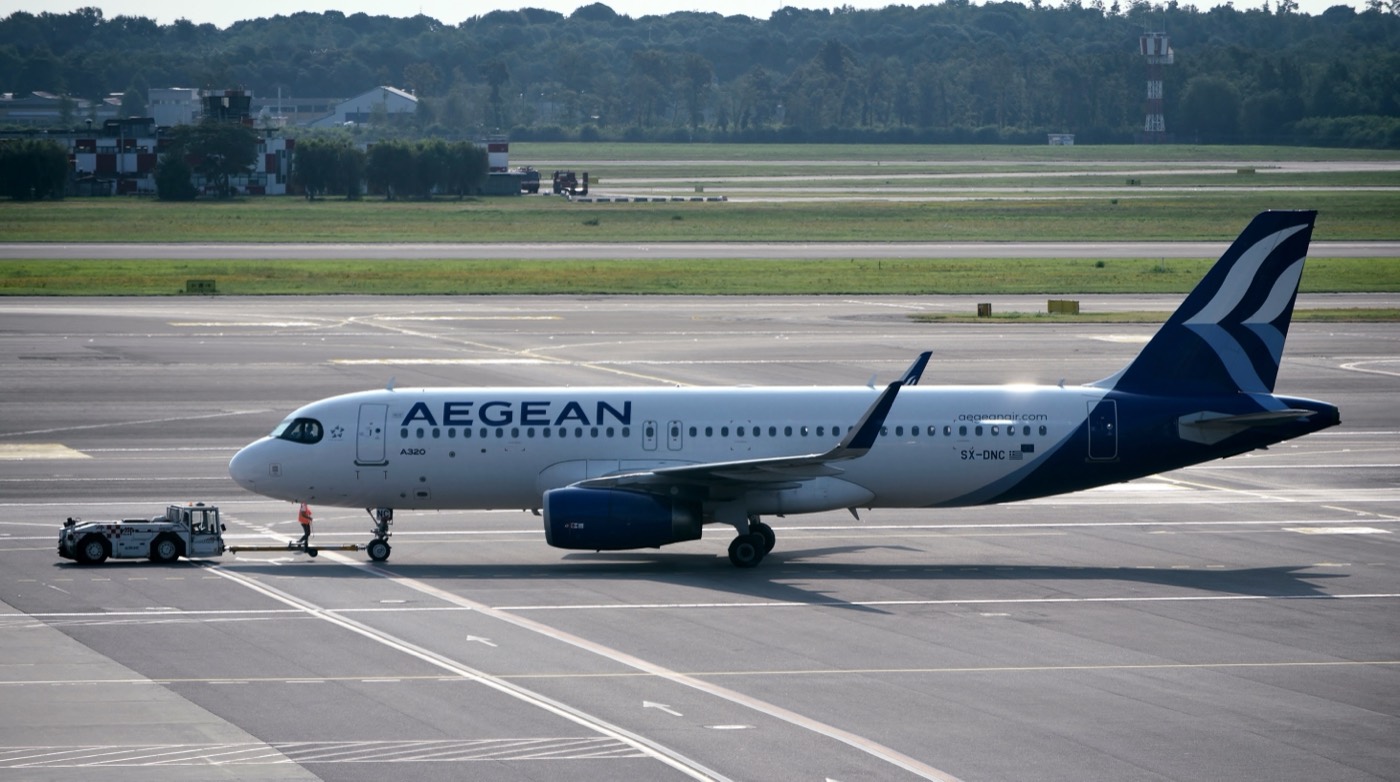
A320

Wingspan

34.1 m

Length

37.6 m

Seats

150–186

Range

3,300 nm

The original — the jet that introduced fly-by-wire controls to airline passengers worldwide.

First flew in 1987

Airbus · A320 Family

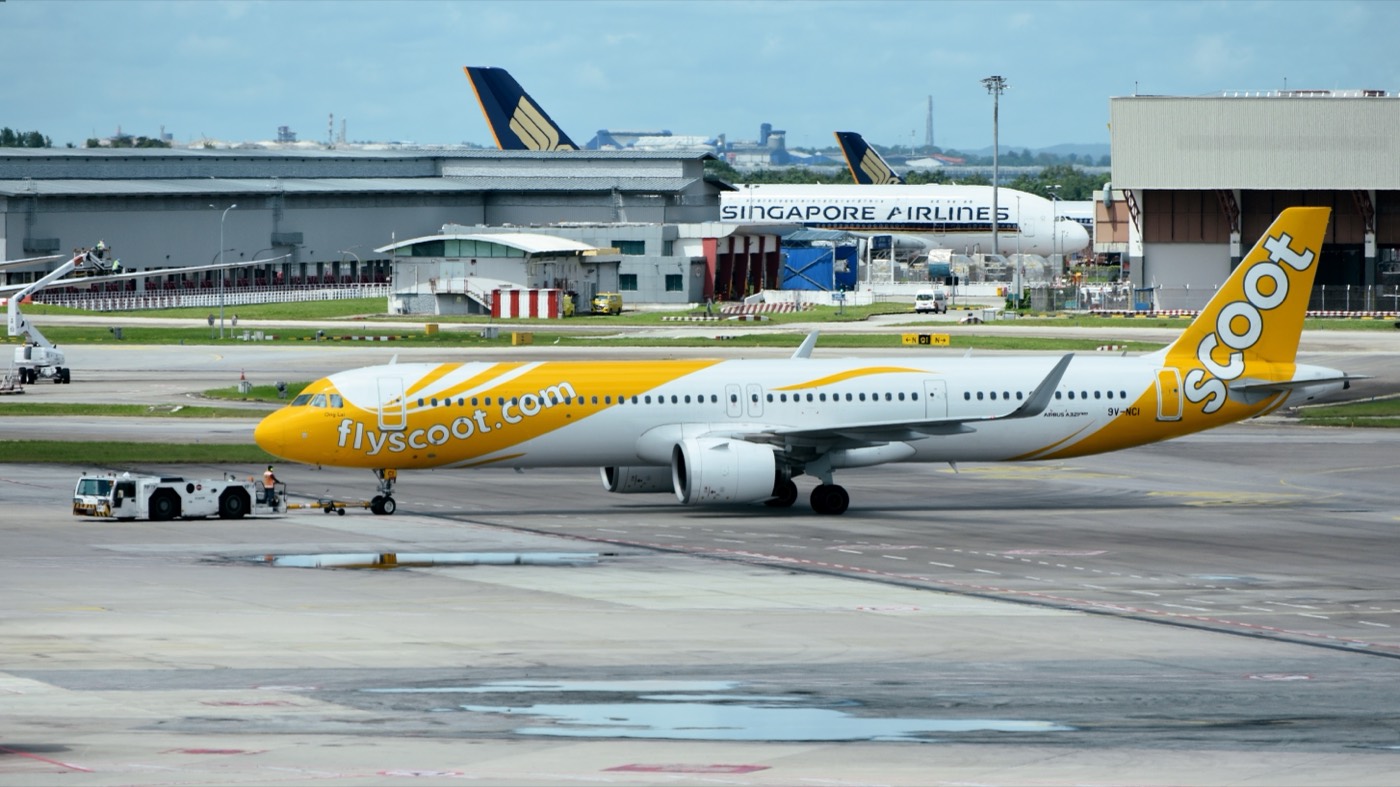
A321

Wingspan

34.1 m

Length

44.5 m

Seats

185–230

Range

3,200 nm

A stretched A320 that packs a lot more seats onto the same wing.

First flew in 1993

Airbus · A320 Family

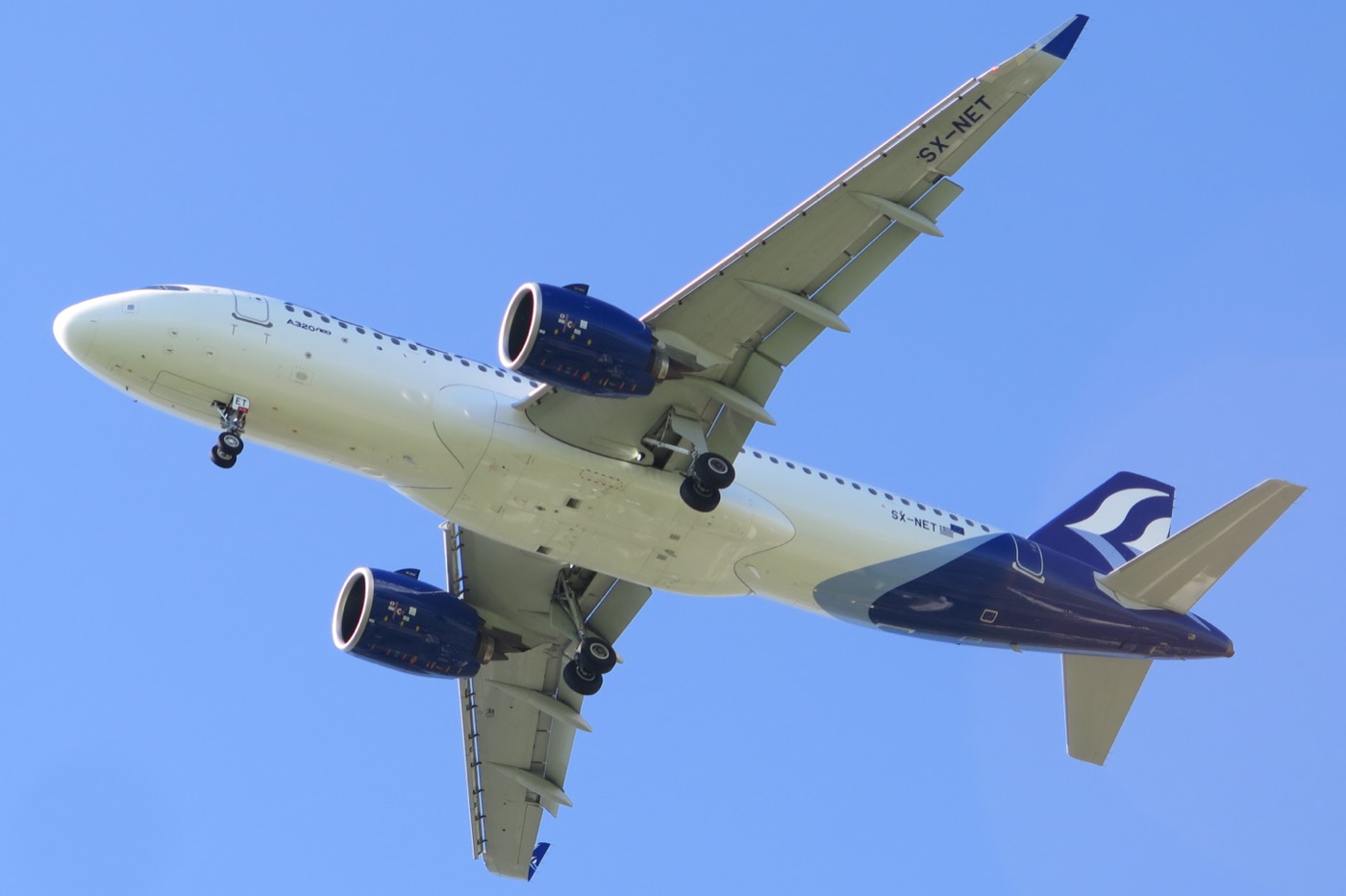
A320neo

Wingspan

35.8 m

Length

37.6 m

Seats

150–194

Range

3,400 nm

"neo" means New Engine Option — new engines and wingtip sharklets for a big fuel-efficiency jump.

First flew in 2014

Airbus · A320 Family

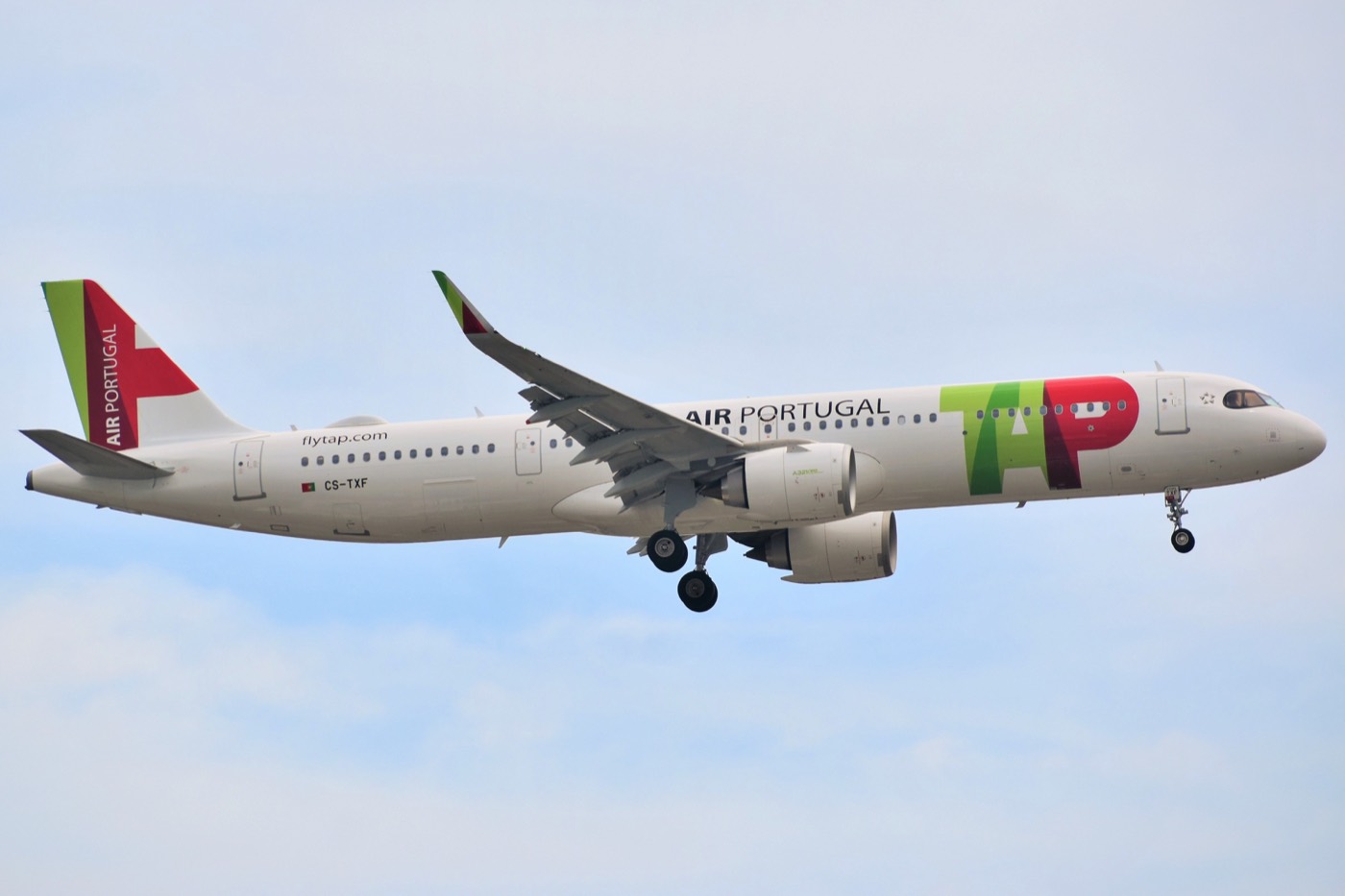
A321neo

Wingspan

35.8 m

Length

44.5 m

Seats

185–244

Range

4,000 nm

The single-aisle jet that can cross the Atlantic — a genuine long-haul narrowbody.

First flew in 2016

Airbus · A320 Family

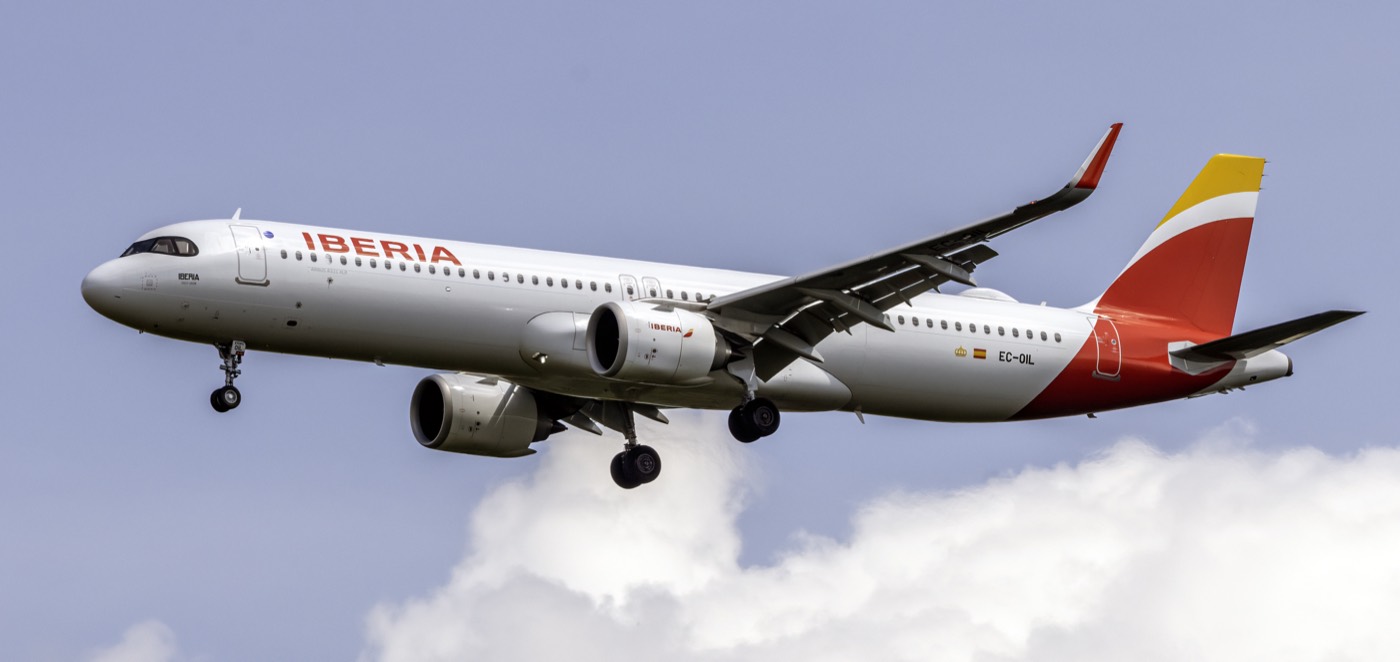
A321LR

Wingspan

35.8 m

Length

44.5 m

Seats

180–220

Range

4,000 nm

LR = Long Range. The middle child between the A321neo and A321XLR, and the first single-aisle jet built to cross the Atlantic nonstop.

First flew in 2018

Airbus · A320 Family

A321XLR

Wingspan

35.8 m

Length

44.5 m

Seats

180–220

Range

4,700 nm

XLR = Extra Long Range. An extra fuel tank built into the belly stretches its reach even further.

First flew in 2022

A330 Family

Airbus · A330 Family

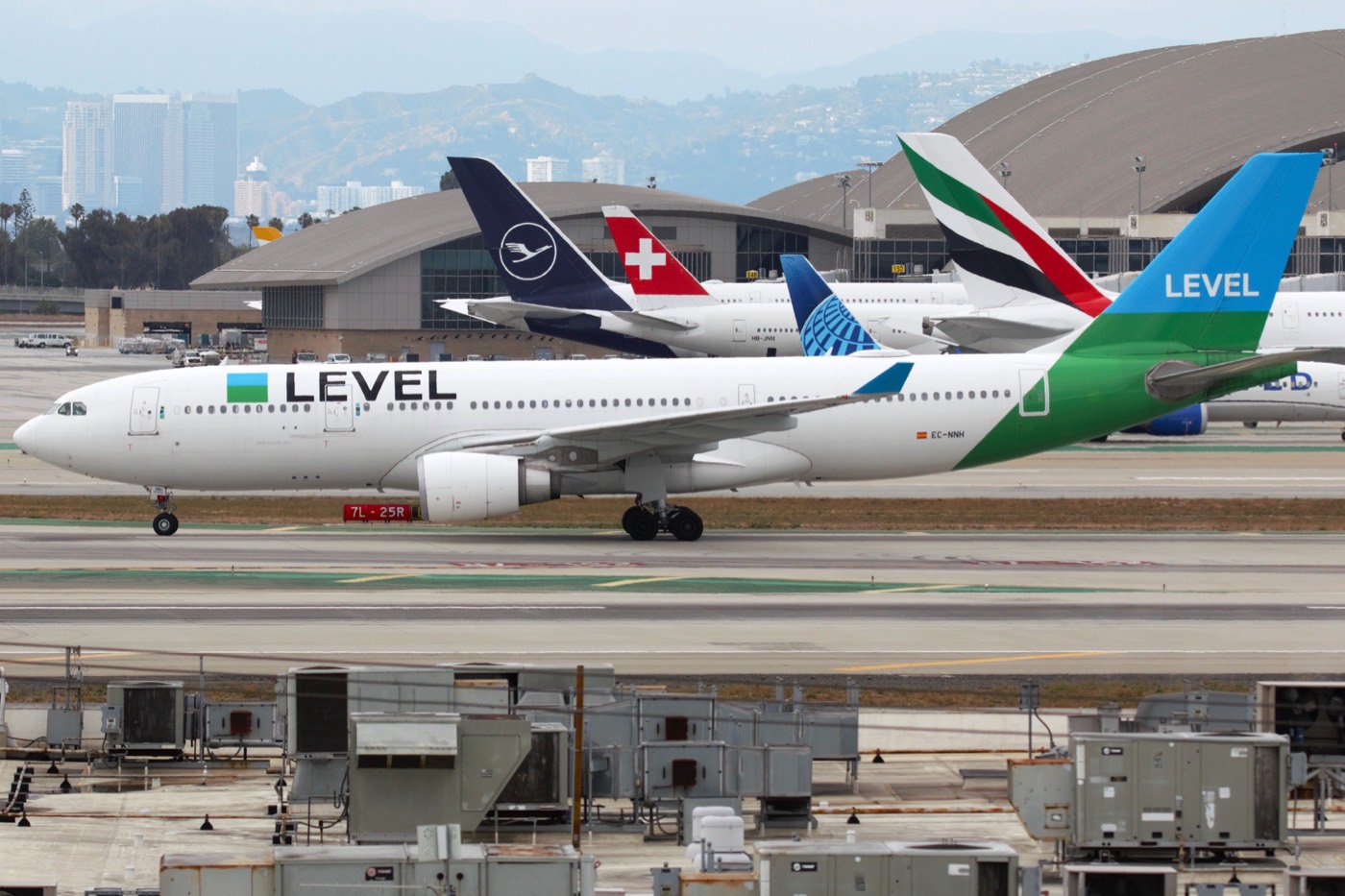
A330-200

Wingspan

60.3 m

Length

58.8 m

Seats

210–247

Range

7,250 nm

The shorter-bodied widebody twin, built for long-haul routes that don't need maximum capacity.

First flew in 1997

Airbus · A330 Family

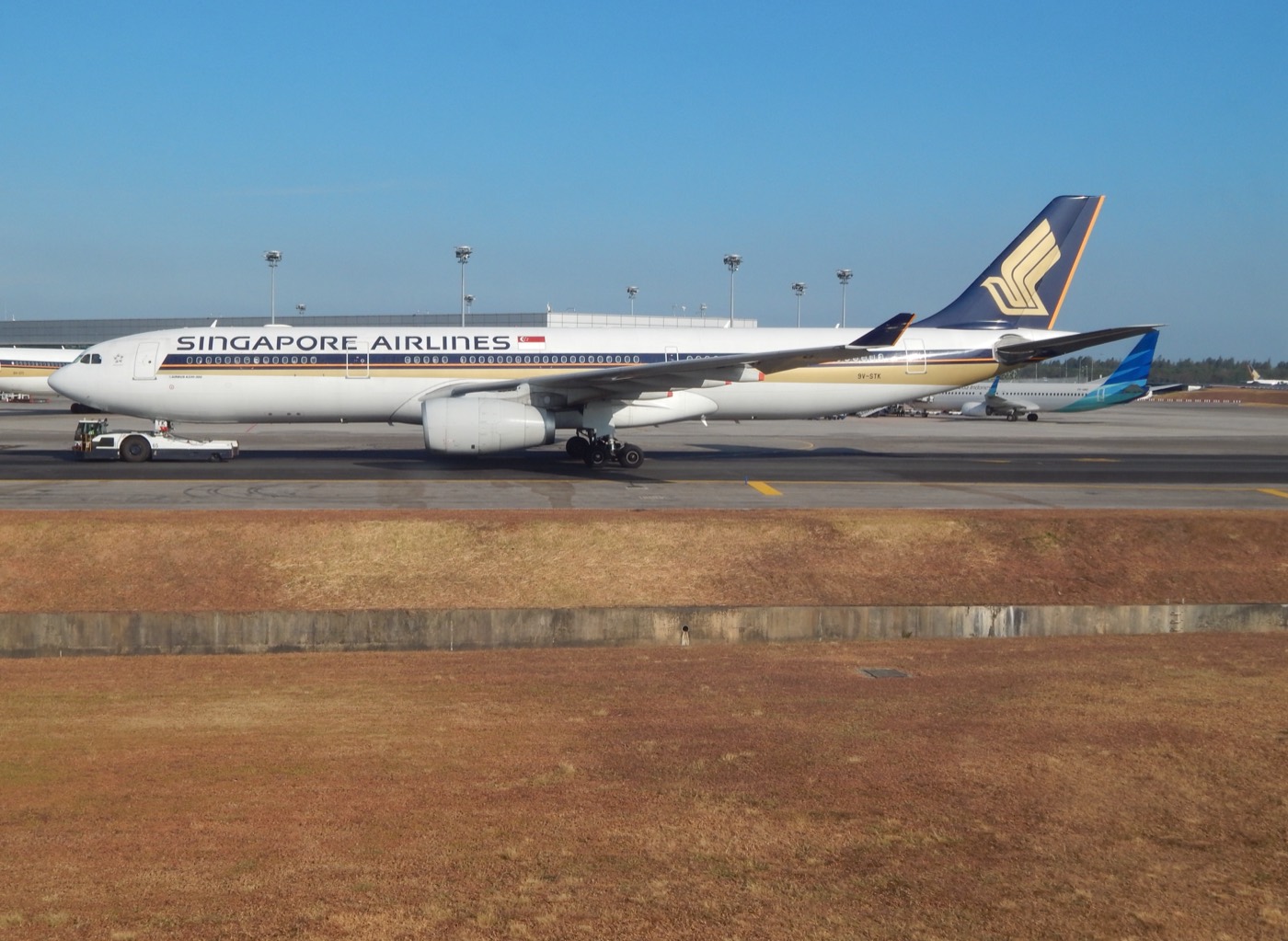
A330-300

Wingspan

60.3 m

Length

63.7 m

Seats

260–300

Range

6,350 nm

The original A330 — one of the first widebodies to fly with just two engines.

First flew in 1992

Airbus · A330 Family

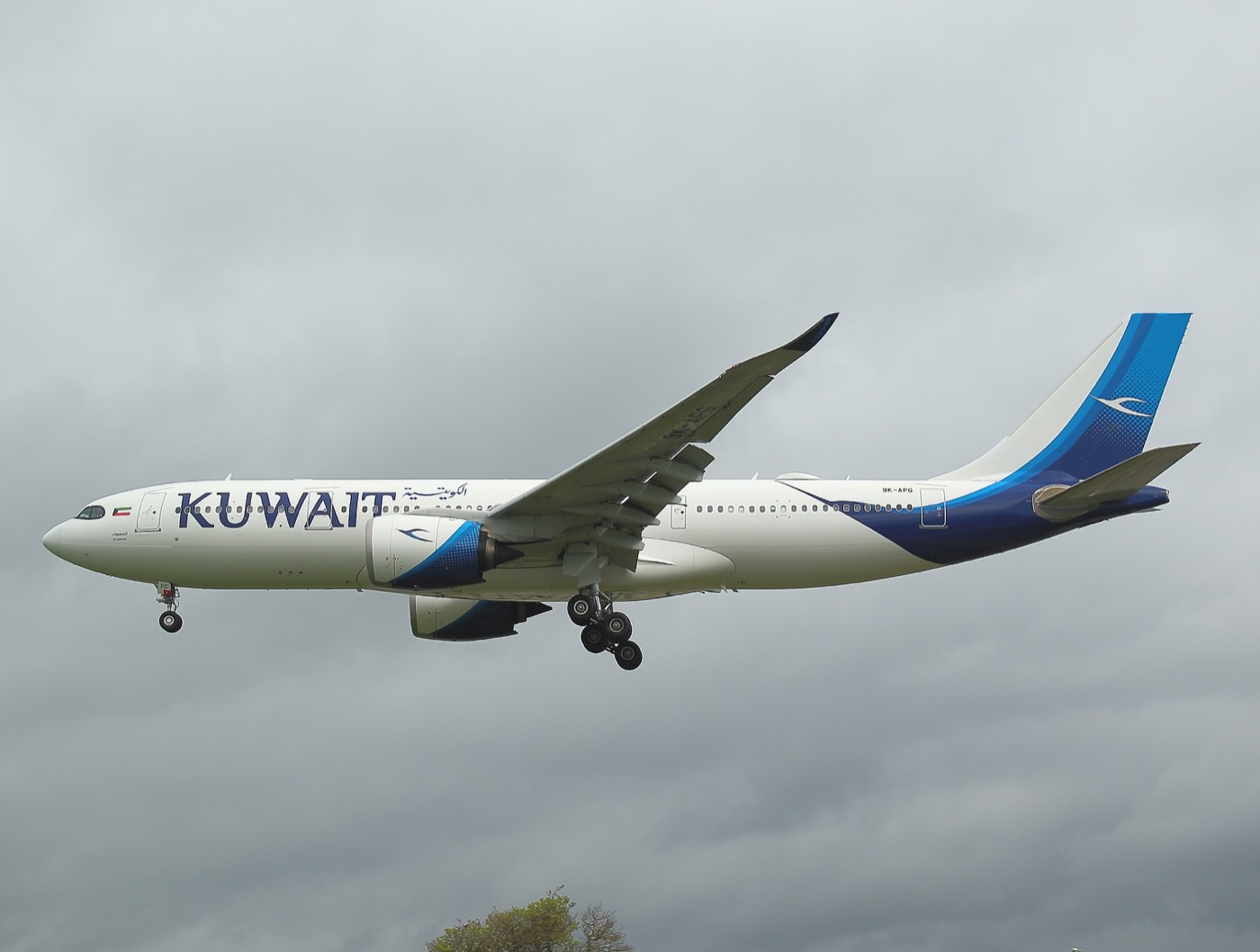
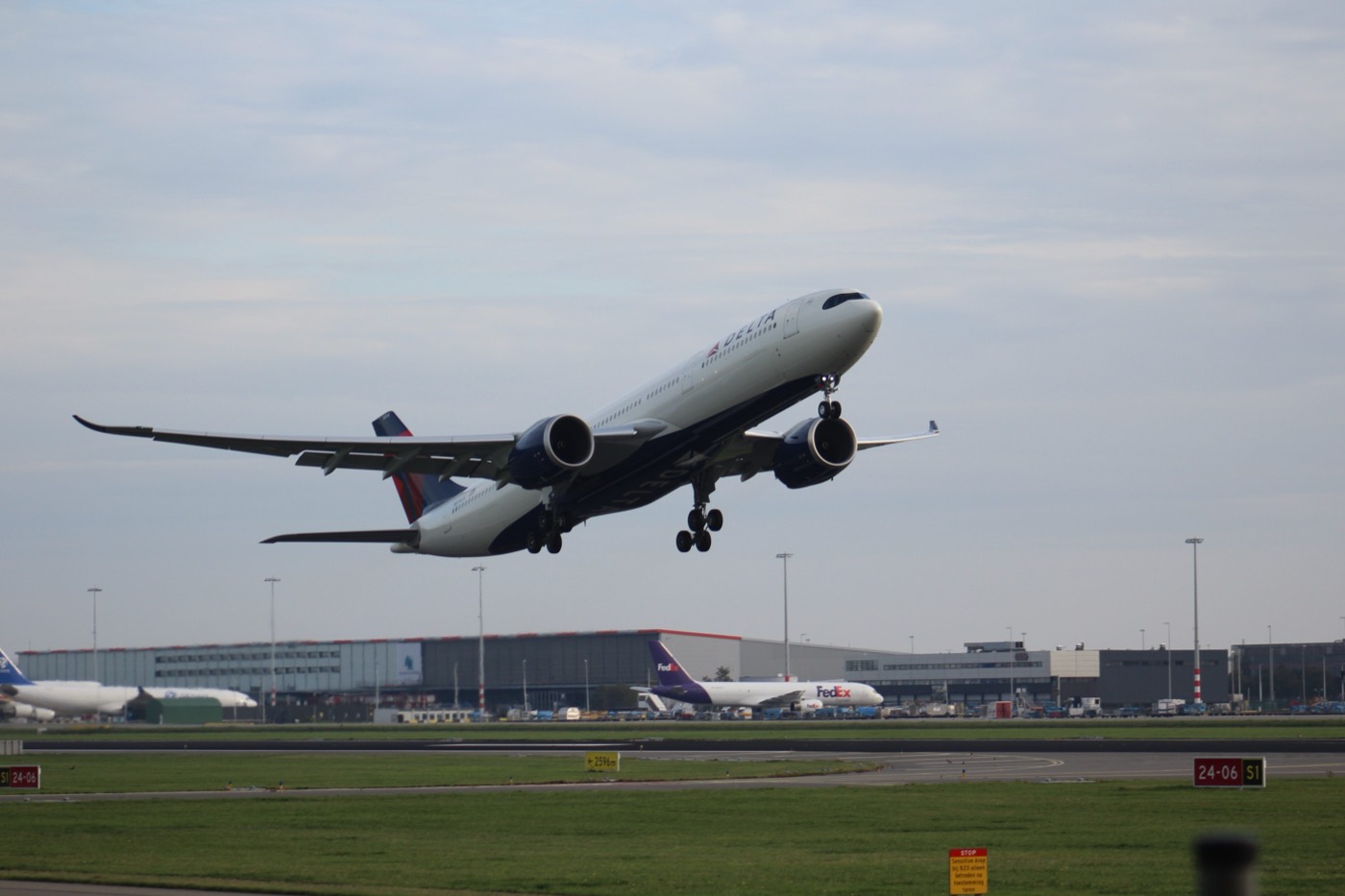
A330-800

Wingspan

64 m

Length

58.8 m

Seats

220–257

Range

8,150 nm

The re-engined "neo" version of the -200, with new wings and far better fuel efficiency.

First flew in 2018

Airbus · A330 Family

A330-900

Wingspan

64 m

Length

63.7 m

Seats

260–287

Range

7,200 nm

The best-selling A330neo — new Trent 7000 engines and reshaped composite wingtips.

First flew in 2017

A350 Family

Airbus · A350 Family

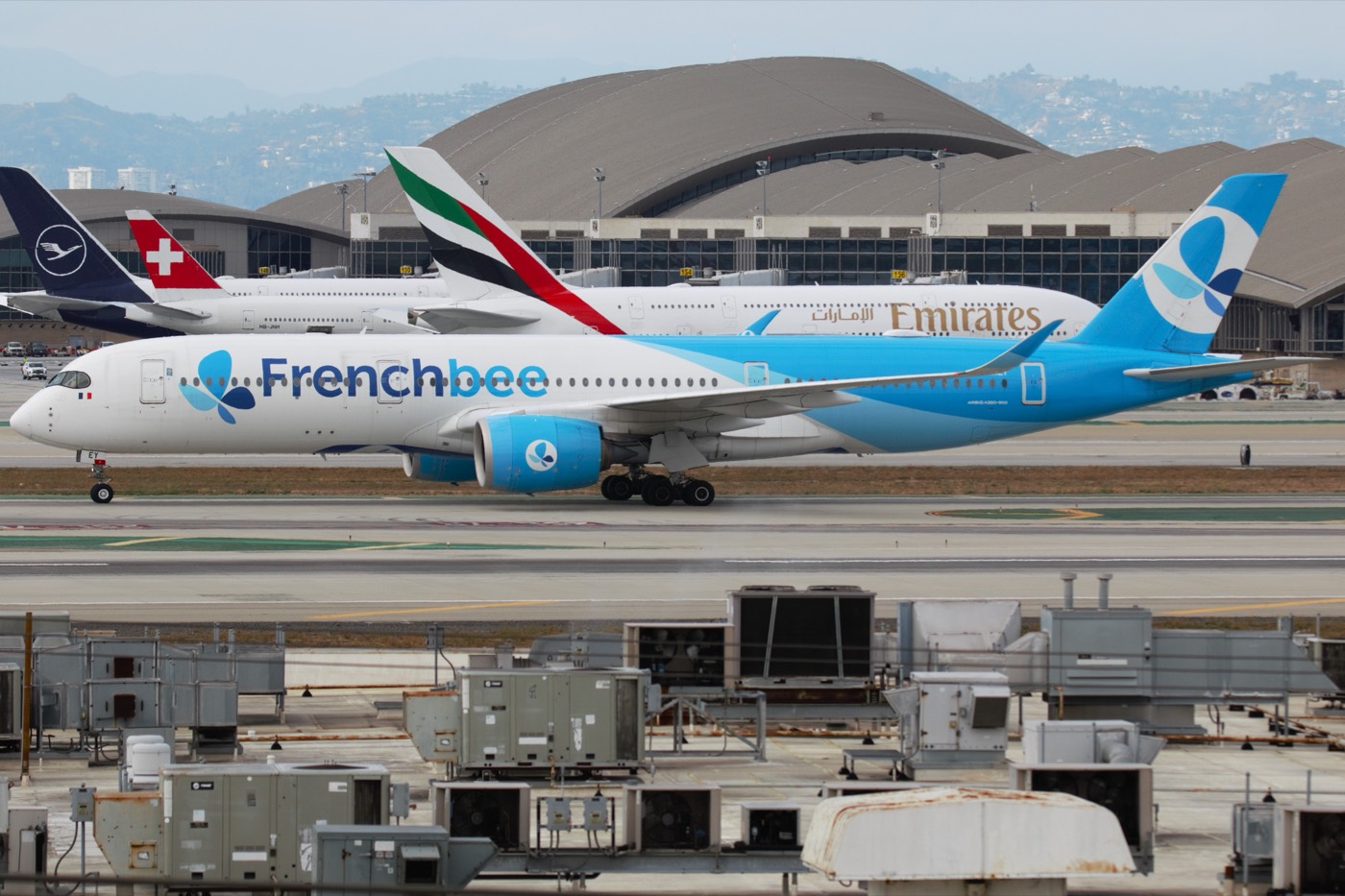
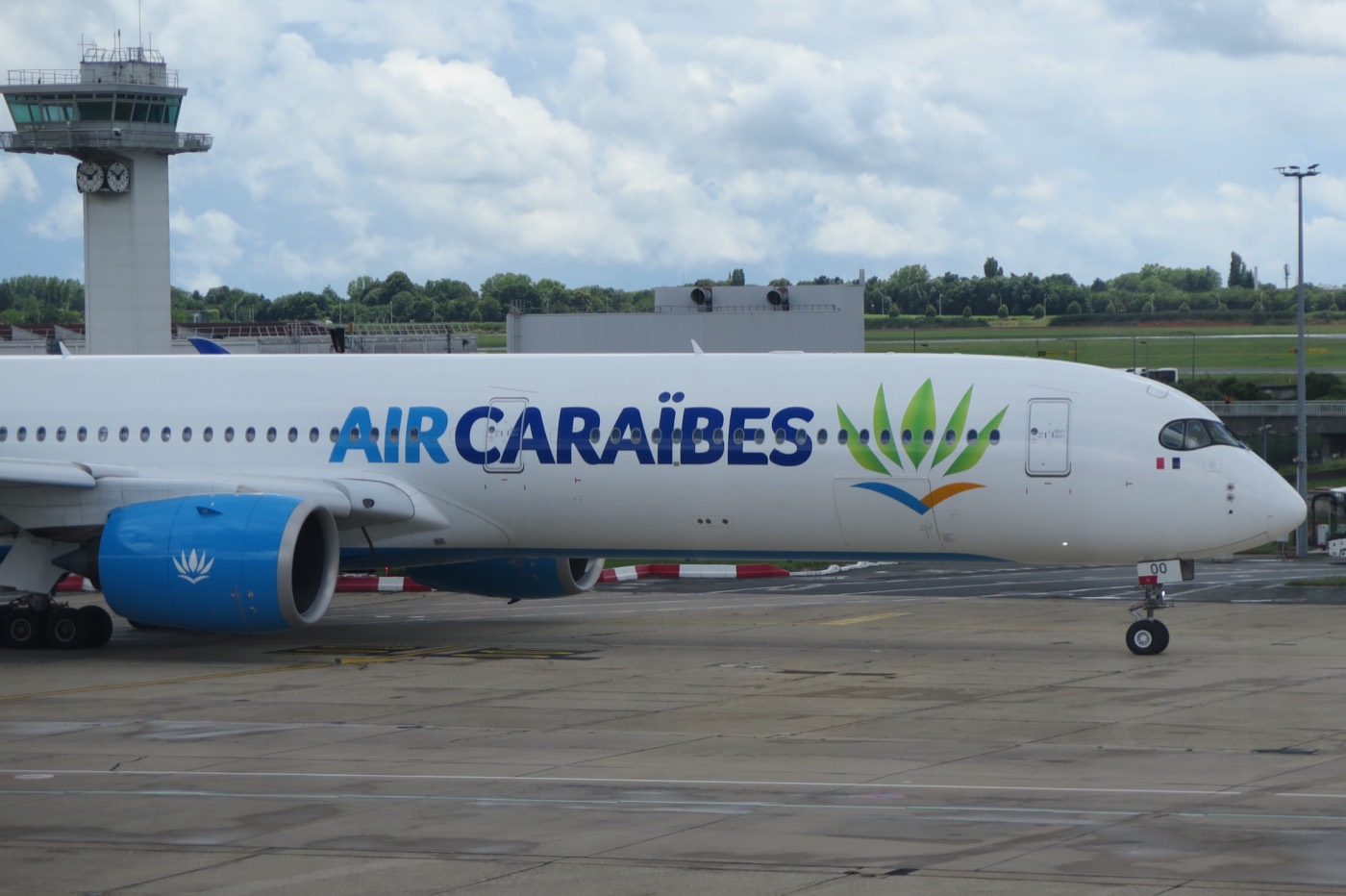
A350-900

Wingspan

64.75 m

Length

66.8 m

Seats

300–350

Range

8,100 nm

Airbus's answer to the 787 — a carbon-fiber widebody built for the longest routes in the world.

First flew in 2013

Airbus · A350 Family

A350-1000

Wingspan

64.75 m

Length

73.8 m

Seats

350–410

Range

8,700 nm

The stretched, longer-range A350 — Airbus's biggest twin-engine jet in current production.

First flew in 2016

A380

Airbus · A380

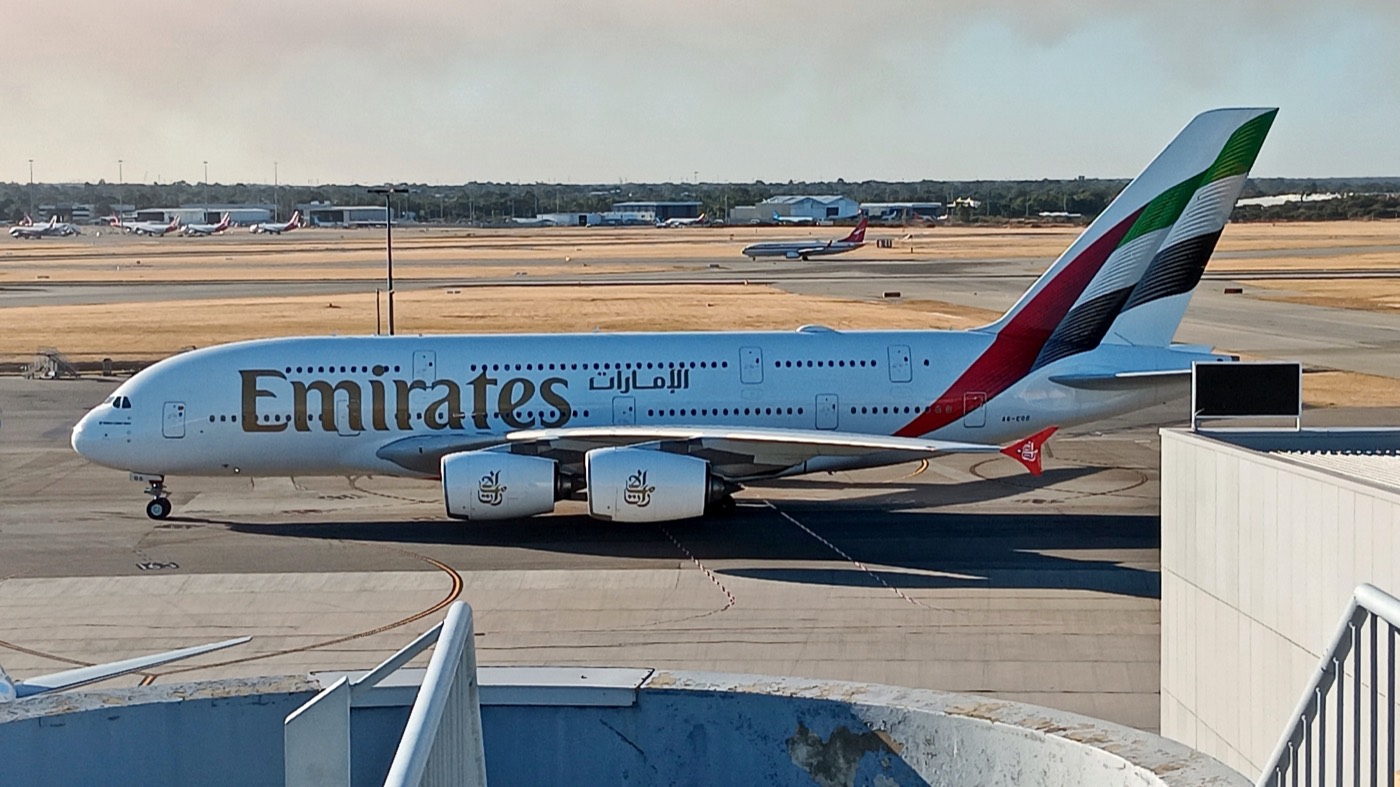
A380

Wingspan

79.75 m

Length

72.7 m

Seats

525–853

Range

8,000 nm

The double-decker superjumbo — the largest passenger airliner ever built. Production ended in 2021, but it still flies.

First flew in 2005